My first week of work in Sri Lanka was a short one as Friday was Duruthu Ful Moon Poya, and as such a national holiday. This meant I had a 3-day weekend – a pleasant surprise!
One of the challenges of Leave for Change is that it is really such a short time. You want to see as much and do as much as possible to fully experience your host country and culture, and also be mindful that you don’t compromise your energy levels for the huge amount of work you are trying to accomplish in a few short weeks!
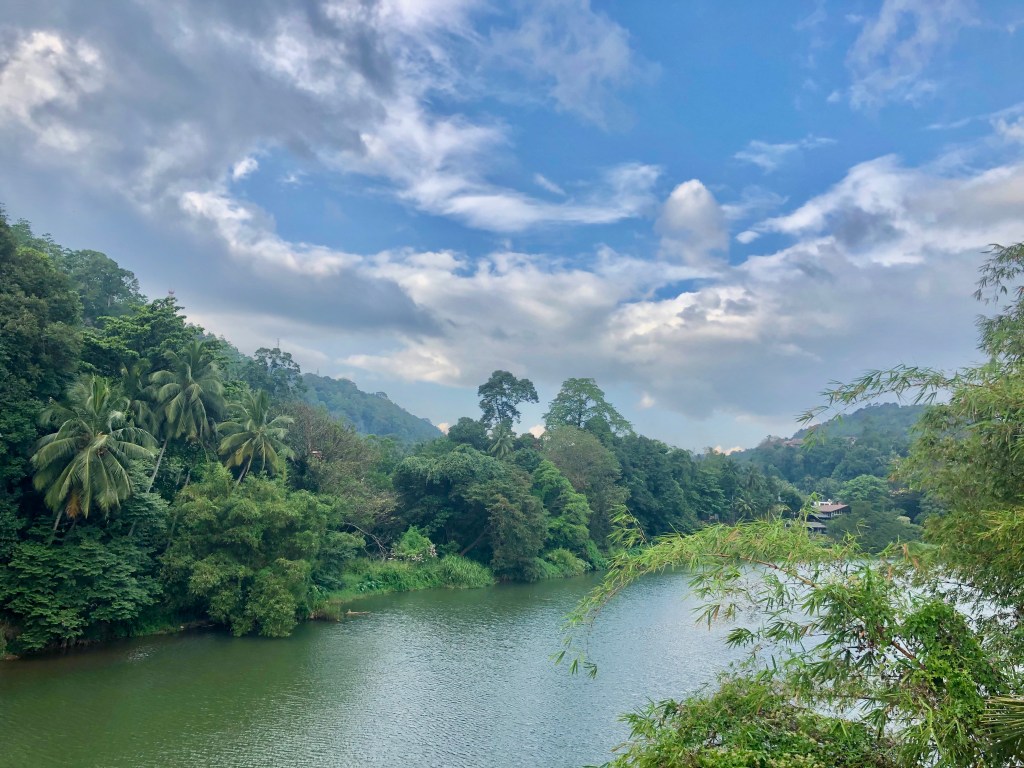
That being said, a long weekend seemed the perfect opportunity for a bit of travel as I would have enough time not to be rushed and to still rest and recharge for week 2. And so, I headed in-land to hill country, specifically to Kandy – widely considered the culture capital of Sri Lanka and home of the most spectacular views.
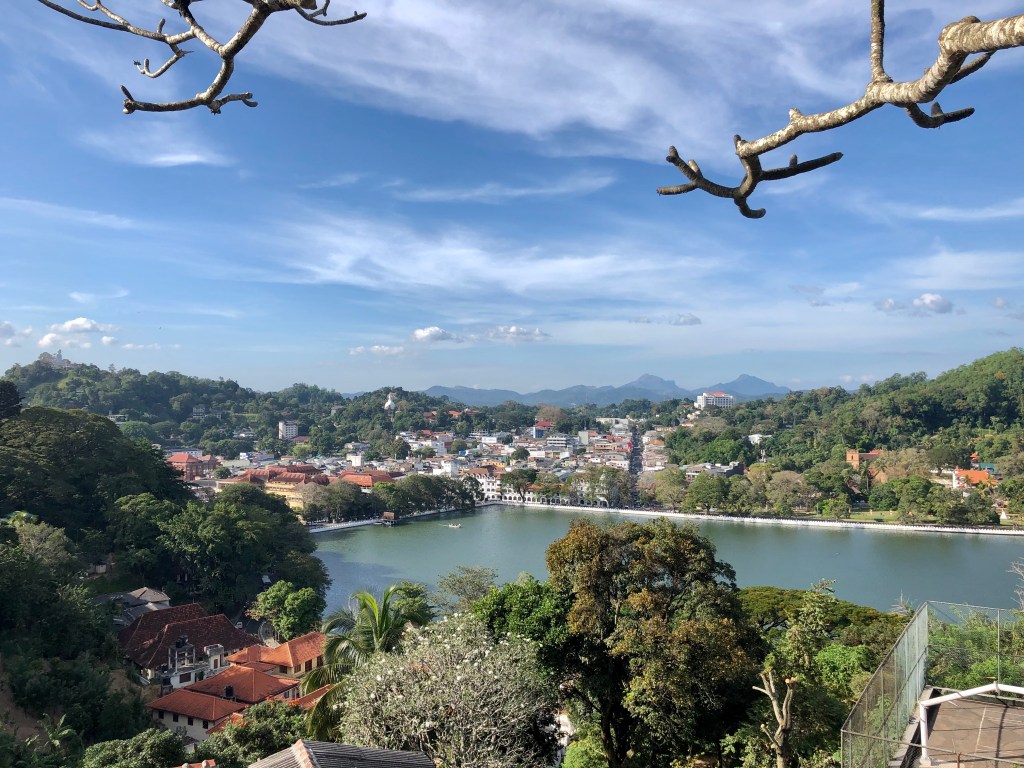
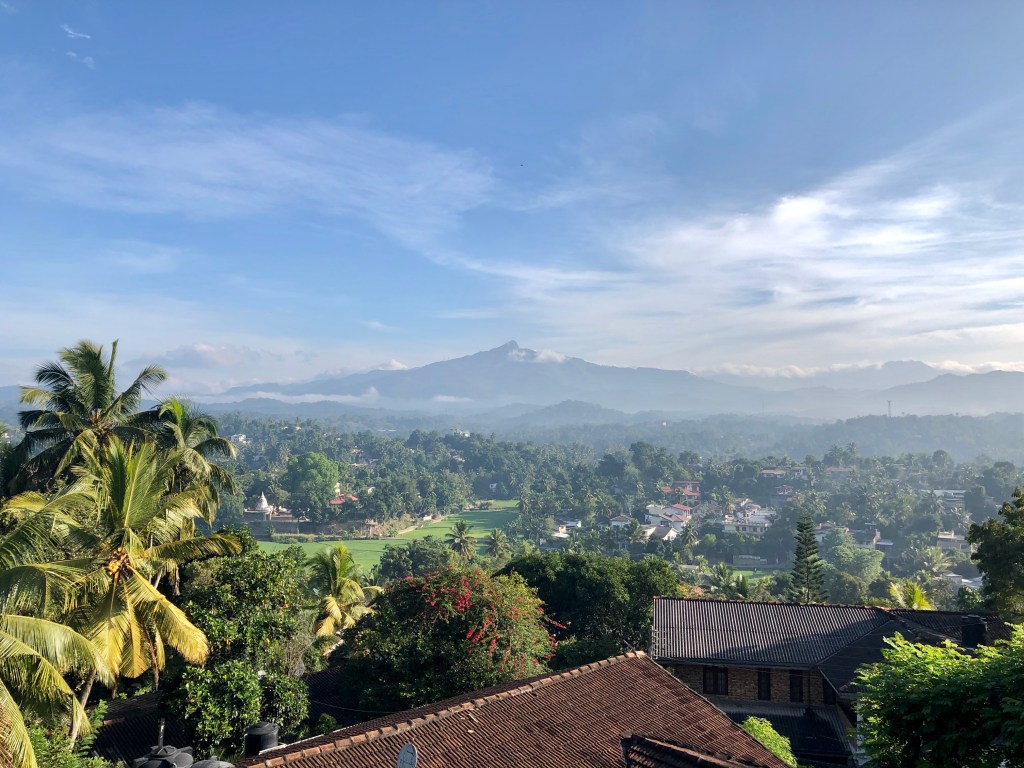
Because I was travelling alone, I skipped Airbnb and I stayed at Mintaas Hotel which provided stunning views from the second floor common area and balcony, as well as from several of the rooms (mine included) and the main dining area on the first level. Rooms and food were basic, affordable and the staff were lovely. From there I was able to see many of the main attractions and cultural sites in Kandy, including:
- Bahirawakanda Vihara Buddha Statue
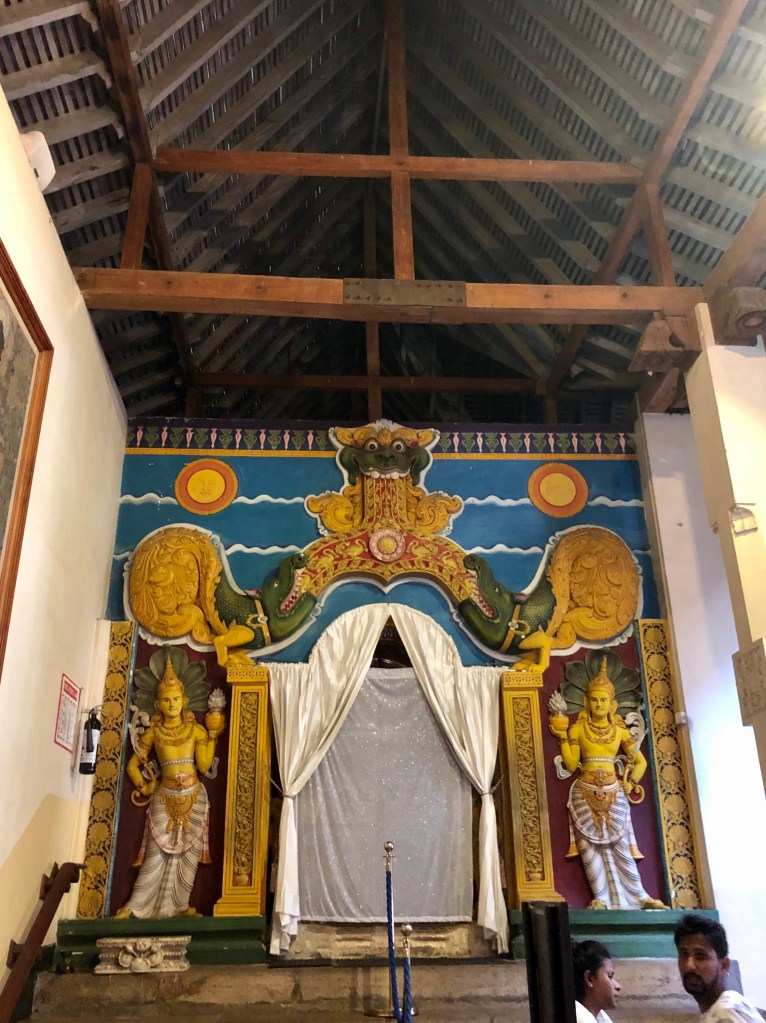
- Temple of the Sacred Tooth Relic
- Rajah Tusker Hall
- Kandy Lake
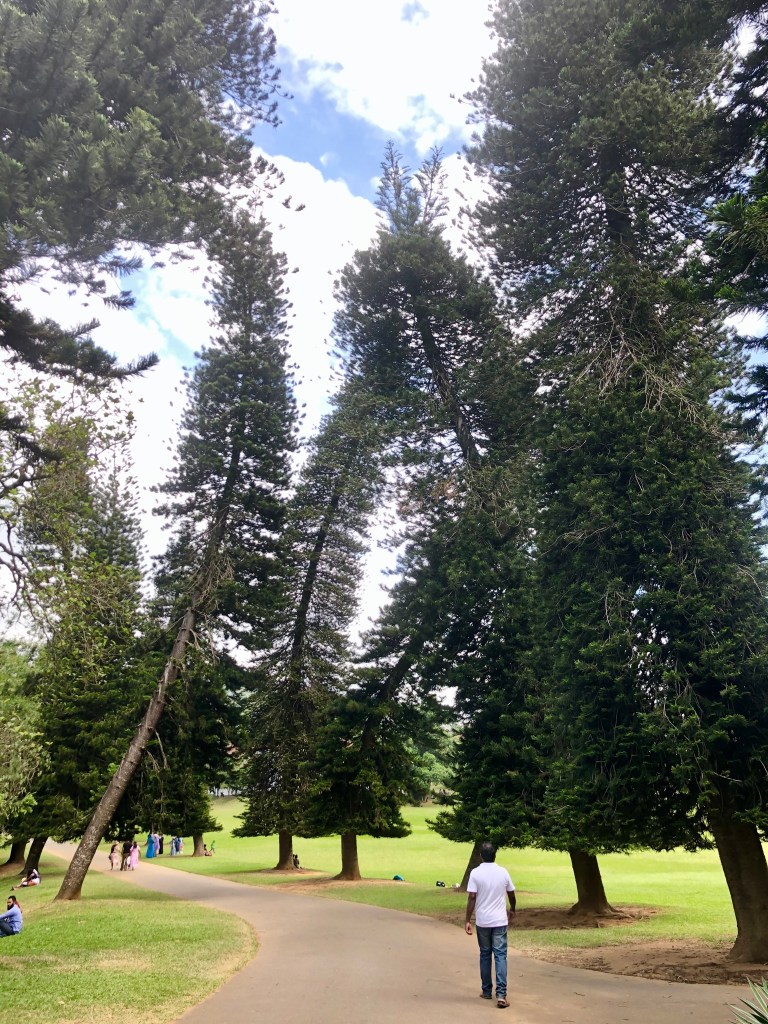
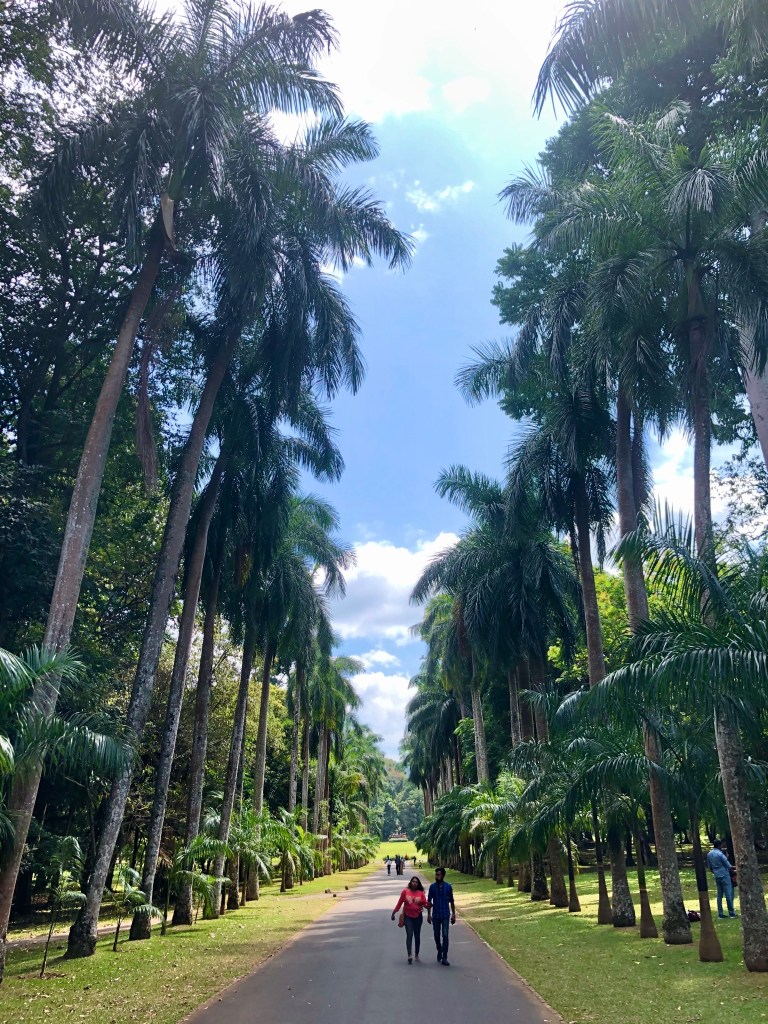
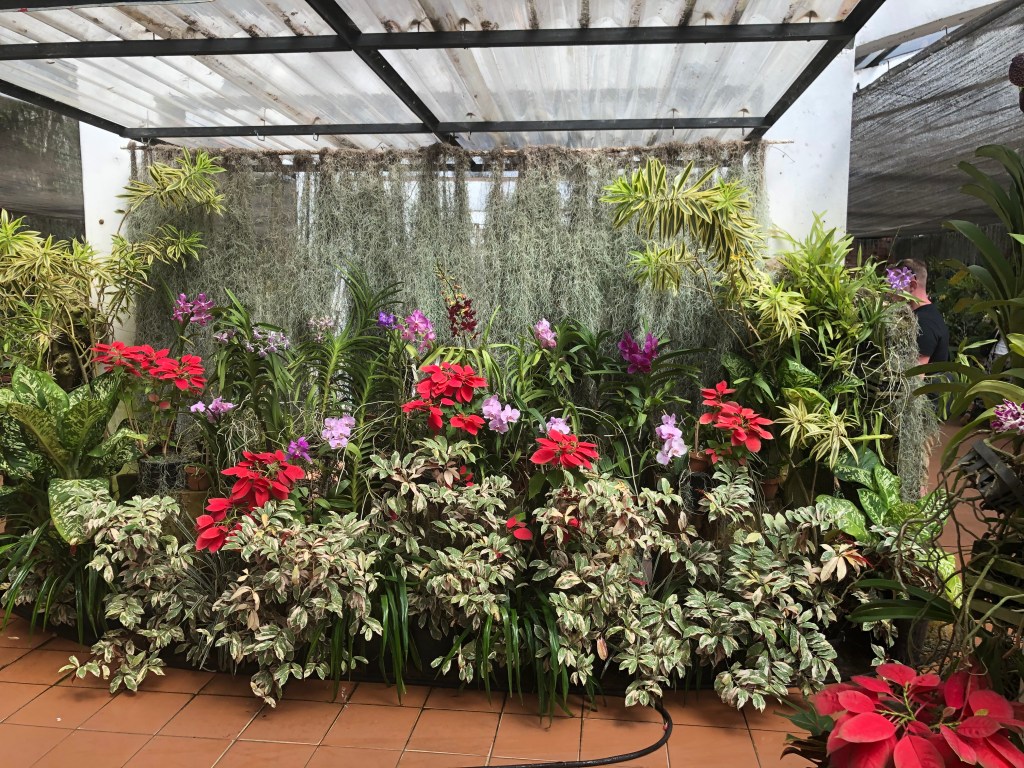
- Royal Botanical Gardens
- Kandy Garrison Cemetery (which includes graves of Canadian WWII soldiers)
- Ceylon Tea Museum
- A local tea plantation
- A local spice garden
- The 19th century Audience Hall
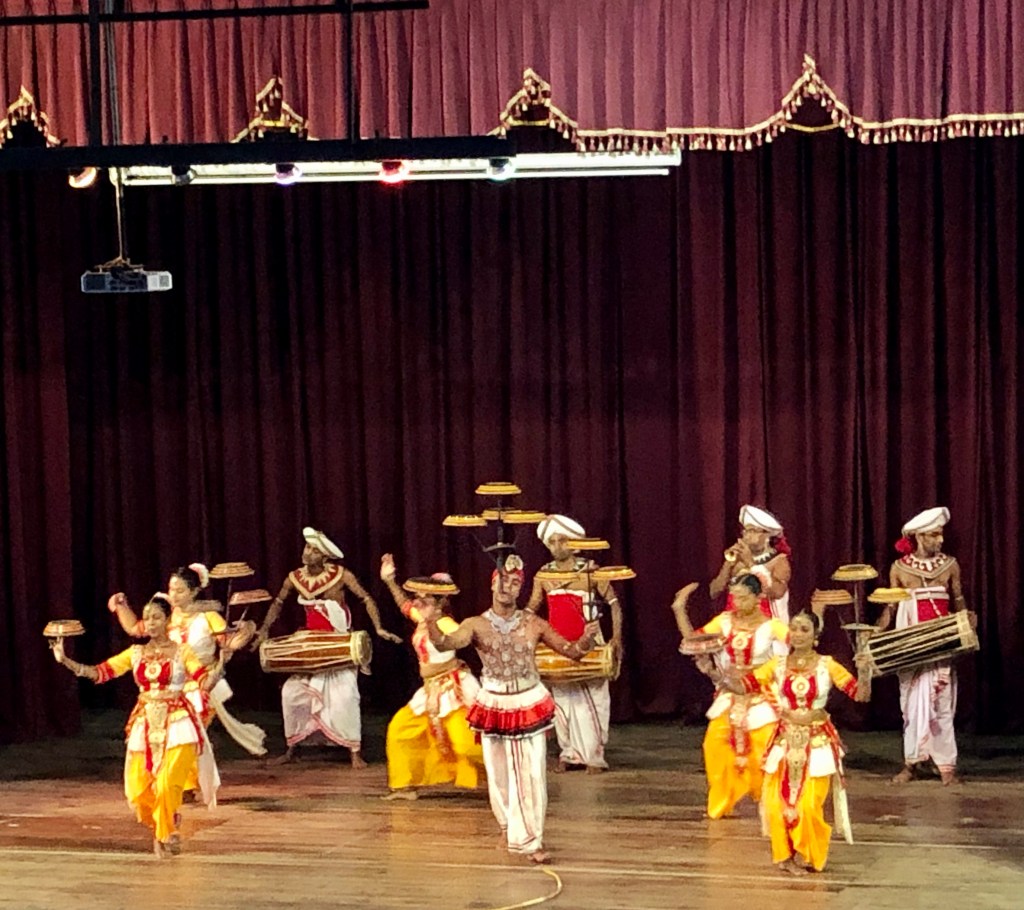
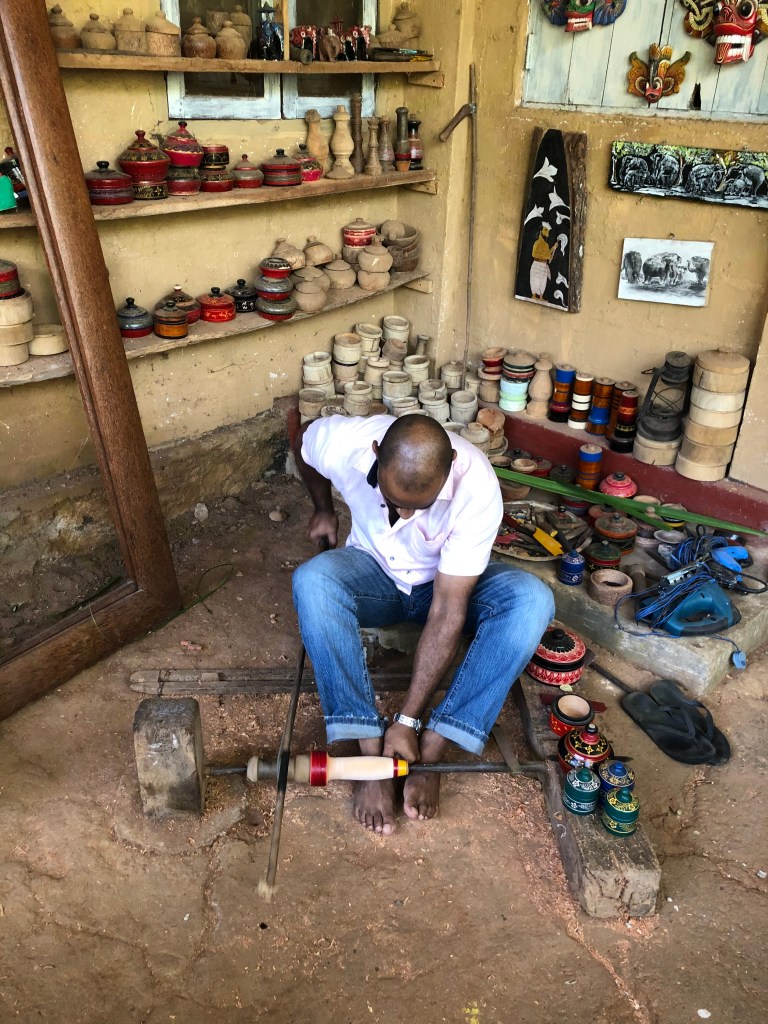
- The Kandy Cultural Centre
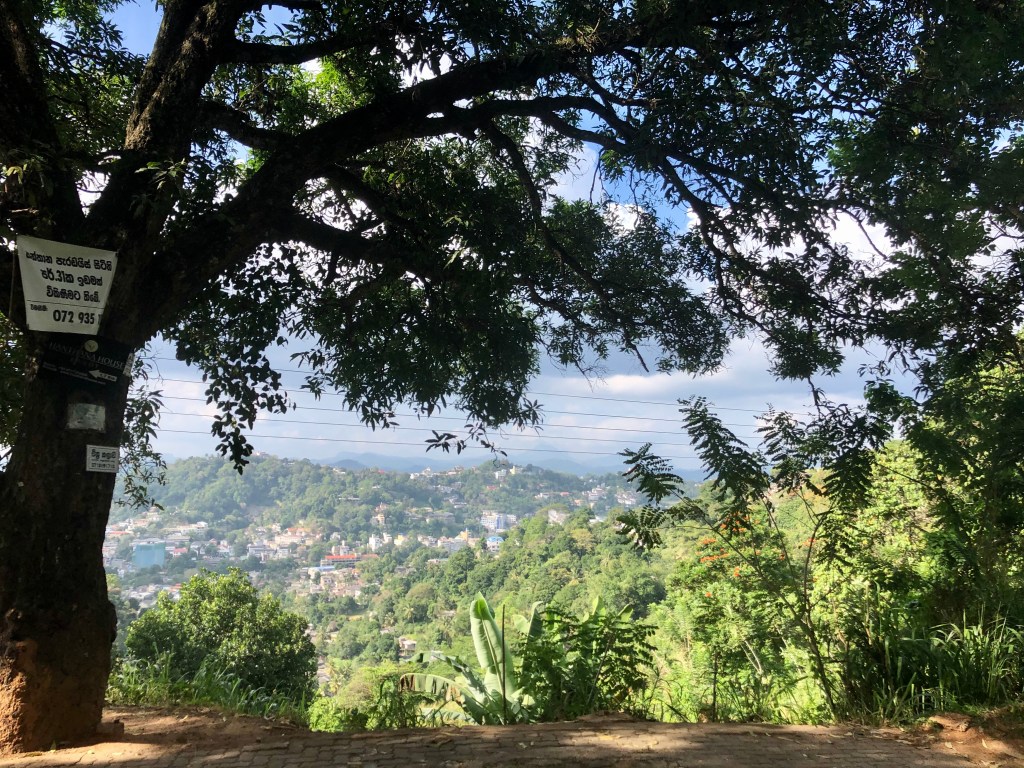
- And countless stunning hillside views
This trip was perhaps a little “touristy” in some of the activities, but it certainly provided me with a better understanding and perspective of Sri Lanka’s history and Sinhalese culture. As well, it was wonderful to get out of the city and experience a different side of Sri Lanka.
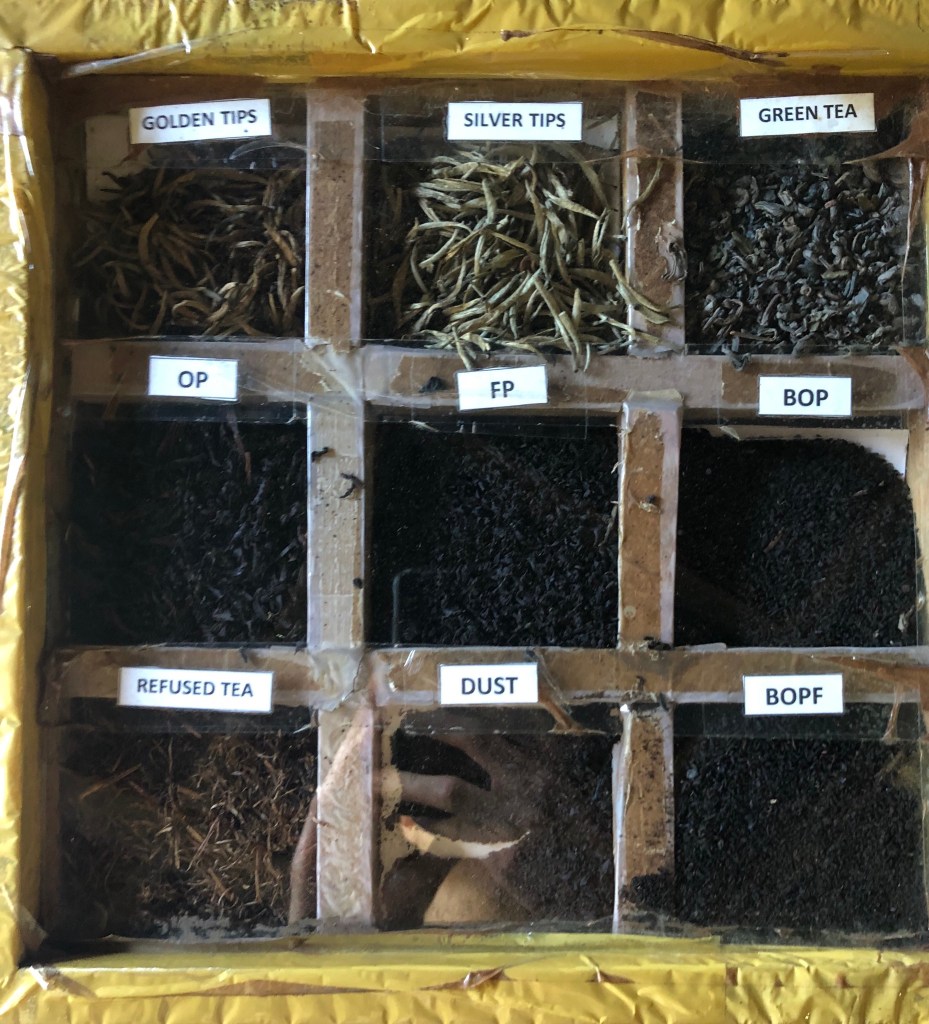
For me, one of the highlights of my weekend in Kandy (besides the truly spectacular Royal Botanical Gardens) was the Ceylon Tea Museum and local tea plantation. For someone who loves tea, it was a great learning experience to discover the precise processes for making so many types of tea all from the same teas leaves, as well to learn that each Ceylon tea leaf is still hand-picked! This is a conscious choice as it seems automation is yet to be as efficient and provide the same quality as humans in this regard. Indeed one of my realizations during my time here in Sri Lanka is that many processes which I had assumed had been automated (if I’d thought of them at all) remain still very much manual. It’s an interesting contrast to the drive to automate that we often experience back at home.
Tea has a complicated history in Sri Lanka, having been brought by the British (though technically a Scotsman) around the time of the coffee blight and providing an alternate economy at a crucial time. However, with it brought a new culture, as well as a new casts system, through workers brought in from India to work in the plantations when the British where unable to attract locals to the positions. Despite it’s coloured history, since its inception here tea has been an important part of the Sri Lankan economy and remains so today. Sri Lanka tea is called Ceylon Tea (a throwback to Sri Lanka’s name while under British rule), and can be found around the world.
After a refreshing weekend away in Kandy (the climate is cooler there – I was even a bit cold in the evenings!) – it was encouragingly nice to feel like I was coming “home” to Colombo. The act of returning “home”, getting groceries and tending to my laundry left me feeling very much settled in and ready to get going with week 2 – perhaps the most crucial for my mandate, as this is when the bulk of the deliverable work happens.
Of course there is another holiday on Wednesday this week, so this will be another short week. And to think I’m already one-third through my time here – it’s just flying by!






 Amy's Leave for Change Experience - Sri Lanka 2020
Wow Amy
Truly wondrous
LikeLike